Advanced Mapping Techniques Reveal Pricing Errors in Live Concurrent Tennis and Track Events
Written by Hugo Patterson · May 27, 2026
Advanced Mapping Techniques Reveal Pricing Errors in Live Concurrent Tennis and Track Events
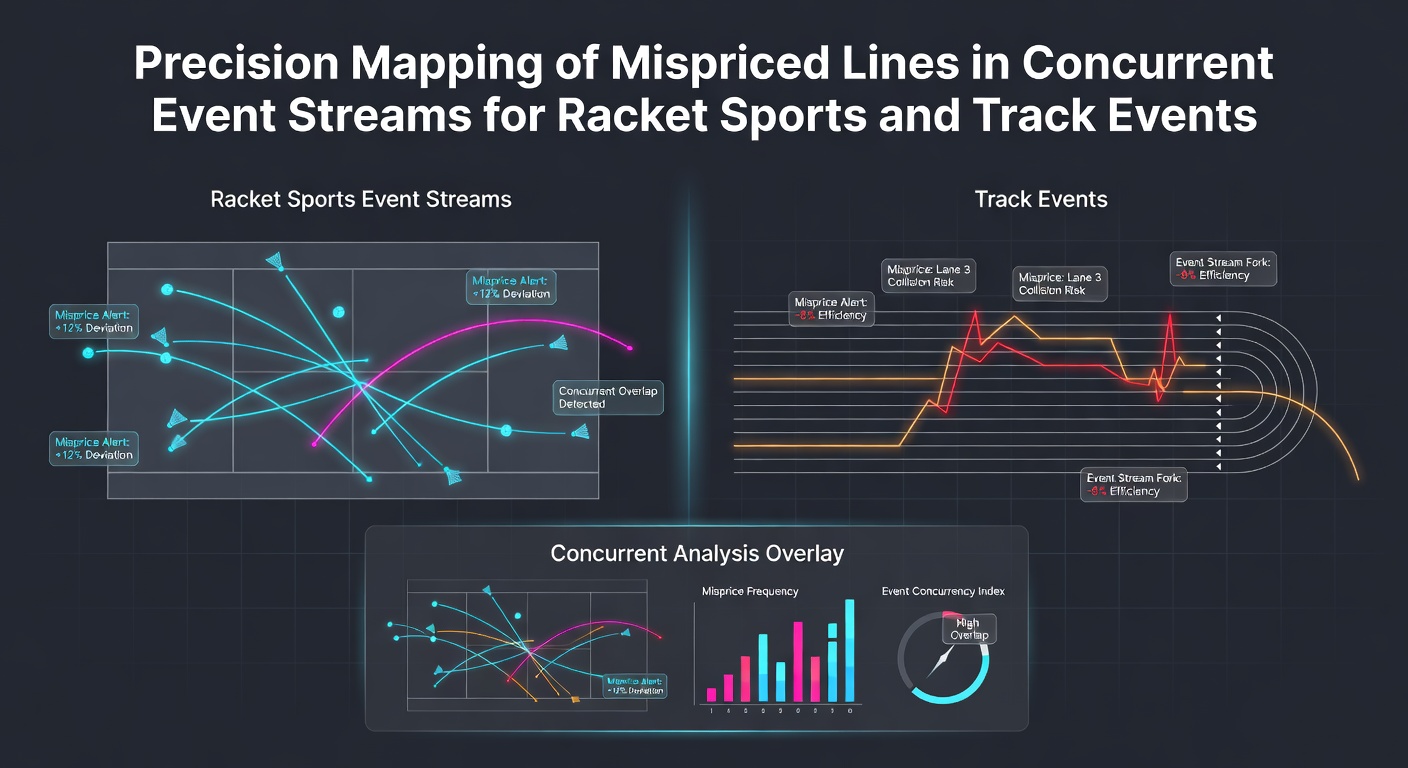
Precision mapping of mispriced lines in concurrent event streams has gained traction among analysts working with racket sports and track events, where multiple matches and races unfold simultaneously. Data streams from betting platforms feed into specialized software that compares live odds against statistical models derived from player performance metrics, historical head-to-head records, and environmental factors such as court surface or track conditions.
Researchers at institutions focused on sports analytics have documented how these systems synchronize timestamps across events to flag discrepancies before markets adjust. In May 2026 observers noted increased adoption of such tools during major tournaments where scheduling overlaps created additional data points for evaluation.
Core Components of the Mapping Process
Analysts break the process into several layers beginning with data ingestion from multiple sources, followed by normalization of variables including point-by-point probabilities in tennis and split times in track events. Algorithms then generate expected value ranges for each outcome, allowing direct comparison against offered odds to identify lines that deviate beyond predefined thresholds.
One study from the Massachusetts Institute of Technology examined synchronization challenges when events occur in different time zones, revealing that latency corrections improve detection accuracy by aligning real-time feeds more precisely. Those who've implemented these corrections report fewer false positives when processing streams from grand slam matches running alongside regional athletics meets.
Application in Racket Sports and Track Events
Tennis presents unique opportunities because sets and games generate frequent micro-updates that can expose temporary misalignments, whereas track events offer discrete data points at the finish line and intermediate splits. Systems designed for concurrent streams handle both by maintaining separate probability engines that merge outputs into a unified dashboard.
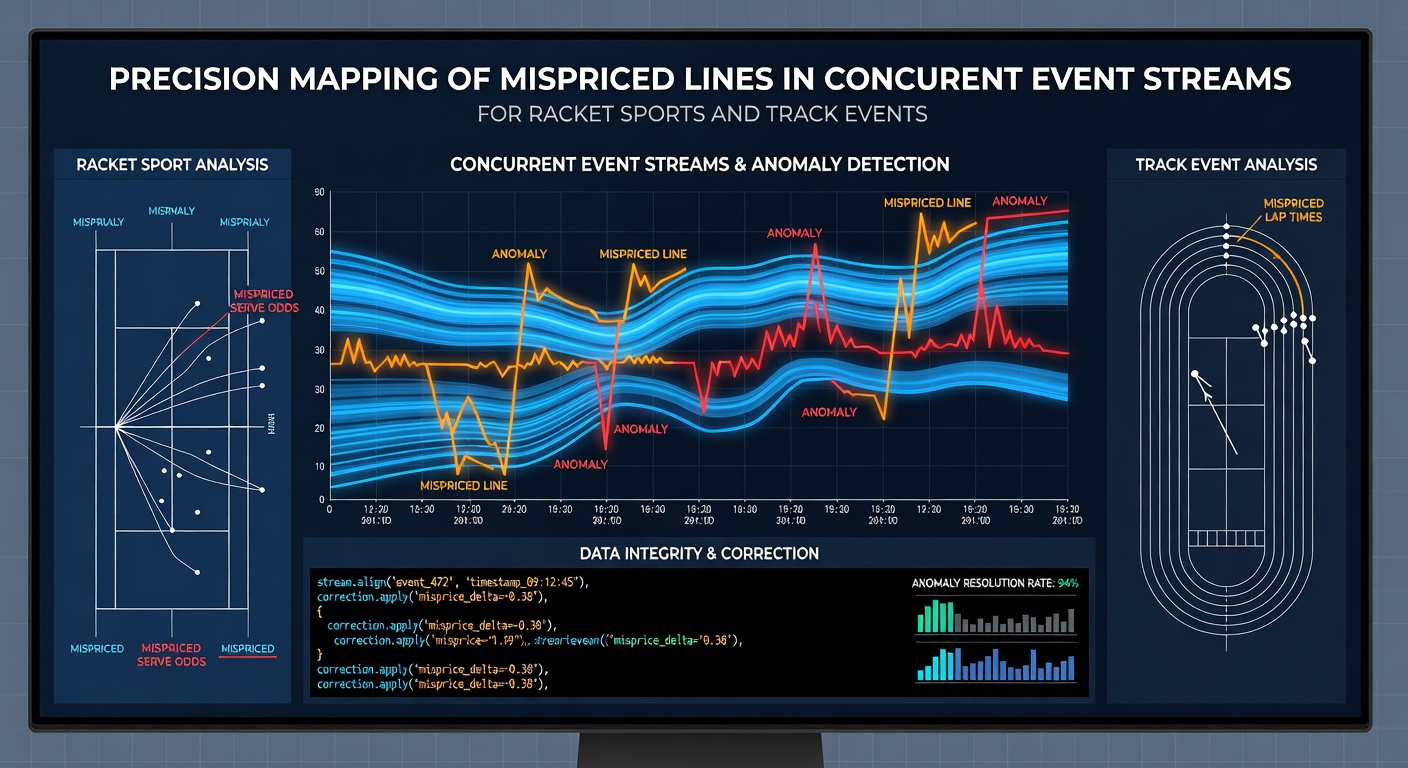
Take one case where experts applied the method during a European track series that overlapped with an ATP tournament in Asia. The platform flagged a specific doubles match line that drifted away from the model after an unexpected weather delay, while simultaneously highlighting an undervalued position in a 400-meter hurdles heat. Data shows these flags emerged within seconds of the triggering events.
Technical Challenges and Solutions
Concurrent streams introduce volume and velocity issues that demand robust infrastructure. Packet loss in live feeds can distort calculations, so teams incorporate redundancy protocols that cross-reference primary sources with backup APIs. According to reports from the Australian Sports Commission, integration of machine learning classifiers has reduced processing delays during high-volume periods such as grand slam finals week.
Yet the reality is that model drift remains a persistent factor when player form changes rapidly or when track surfaces vary unexpectedly. Analysts address this through continuous retraining cycles that incorporate the latest match results and performance data, ensuring the mapping remains calibrated to current conditions.
Integration with Broader Analytical Frameworks
Precision mapping does not operate in isolation. It feeds into larger resource allocation systems that prioritize which events warrant deeper examination based on potential discrepancy size and liquidity. Industry organizations such as the European Gaming and Betting Association have published guidelines on responsible use of these tools in multi-event environments, emphasizing transparency in data handling.
What's interesting is how operators in North America have adapted similar frameworks for collegiate track meets that coincide with professional tennis circuits. Figures from recent academic papers indicate that combining mapping outputs with stake optimization routines yields more consistent identification of edges across both disciplines.
Conclusion
Precision mapping of mispriced lines in concurrent event streams continues to evolve as data infrastructure improves and more events occur in parallel. The approach delivers measurable advantages when applied systematically to racket sports and track events, supported by ongoing research from academic and industry sources worldwide. As synchronization methods advance, analysts expect further refinements that enhance detection speed while maintaining accuracy across diverse competition schedules.