BGC Issues Stark Warning: New UK Gambling Regulations Could Supercharge Black Market Growth
Written by Jakob Schmid · May 15, 2026

BGC Issues Stark Warning: New UK Gambling Regulations Could Supercharge Black Market Growth
The Betting and Gaming Council (BGC), which represents major UK betting and gaming operators, has raised alarms over upcoming regulations set to reshape the industry, warning that these changes might push punters straight into the arms of unlicensed offshore operators operating beyond the reach of the UK Gambling Commission.
Unpacking the Regulatory Overhaul on the Horizon
New stricter rules loom large for online slots, including stake limits tailored to age groups—specific caps for those aged 18-24 and separate ones for 25 and older—while a hefty 40% hike in the remote gaming duty kicks in from April 2026, and advertising restrictions tighten further, all aimed at curbing potential harms but sparking concerns from industry voices like the BGC.
Stake limits target the high-risk world of online slots, where rapid play and big losses have drawn scrutiny; operators must now enforce lower maximum bets per spin for younger adults, who data shows engage more intensely with these games, whereas those 25+ face their own adjusted ceilings designed to promote safer wagering habits.
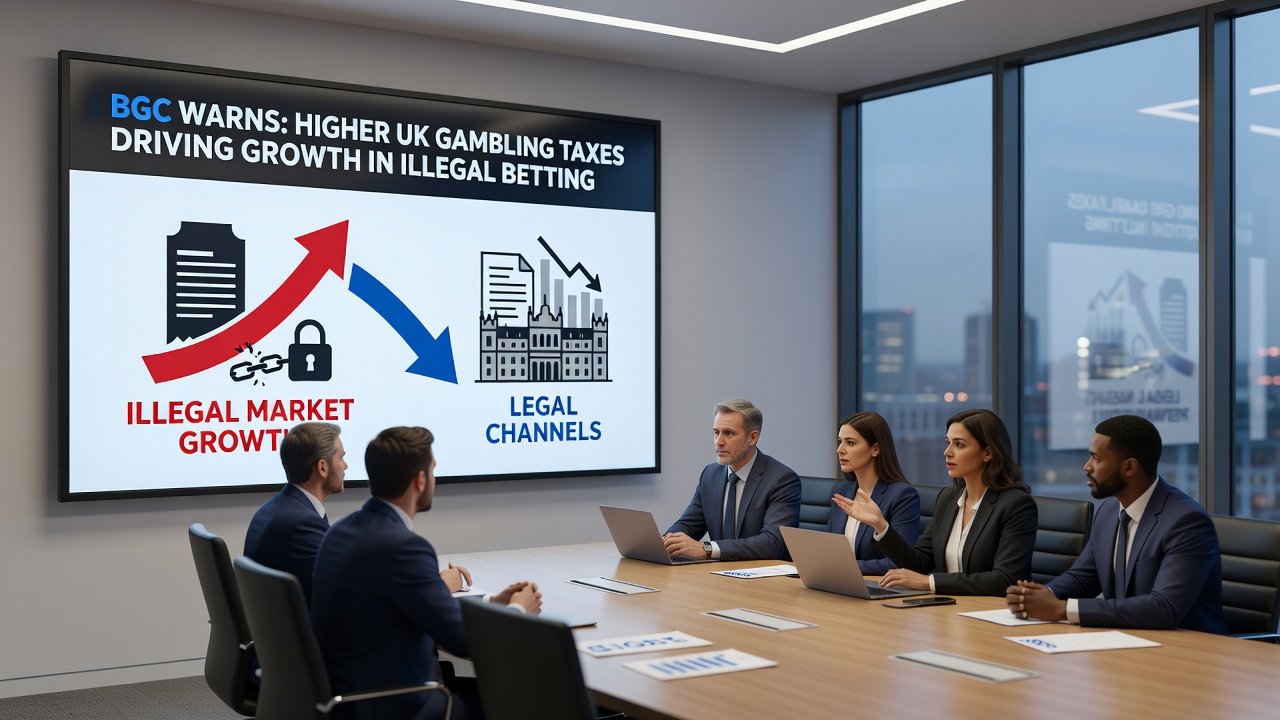
And then there's the tax bite: remote gaming duty jumps 40% starting April 2026, squeezing operator margins at a time when competition from unregulated sites already nips at their heels, so the BGC argues this combo creates a perfect storm, driving bettors toward black market alternatives that dodge oversight entirely.
Tightened ad rules compound the issue, limiting how licensed firms can attract and retain customers through promotions, which means punters might turn to offshore platforms flashing unrestricted bonuses and odds without the strings attached to responsible gambling safeguards.
Research Paints a Grim Picture of Existing Black Market Activity
BGC-commissioned research lays bare the scale of the problem, revealing that millions of UK consumers already pour billions into illegal betting sites each year, a trend that surges during blockbuster events, and this data underscores why new regs could accelerate the shift away from regulated channels.
Figures from the study highlight how offshore operators lure players with superior odds and lavish bonuses—offers that licensed firms can't match under current rules—yet these sites skimp on vital protections like deposit limits, self-exclusion tools, or reality checks, leaving punters exposed to unchecked risks.
What's interesting is how this black market thrives on lax enforcement gaps; social media and word-of-mouth channels quietly direct traffic to these shadowy operations, where bettors wager without the consumer safeguards baked into UKGC-licensed platforms.
Experts who've analyzed the data note that during major sporting spectacles, illegal betting volumes skyrocket, as criminal bookies capitalize on the frenzy with tailored promotions that regulated competitors simply can't replicate.
Grand National 2026: A Case Study in Black Market Vulnerabilities
Take the Grand National on April 17, 2026—a marquee event where excitement peaks and betting activity explodes; BGC research spotlights this race as a flashpoint, with criminal bookies ramping up operations to siphon wagers from the regulated market through unbeatable odds and bonus lures.
During such high-stakes occasions, millions flock to tracks and screens, but a significant chunk veers toward illegal sites promising enhanced returns without the friction of safer gambling nudges, so the BGC warns that post-regulation, this exodus could balloon, amplifying harms for vulnerable punters.
Observers point out how these offshore operators exploit event hype via unregulated channels, offering each-way terms or accumulators that outpace licensed books, all while evading taxes and player protections that keep the legitimate sector accountable.
And as the dust settles from that April showdown, conversations spill into May 2026, where industry leaders at forums like the BGC AGM dissect the illegal market's "real risk, real harm," urging a pivot before the black market claims even more ground.
How the Black Market Operates and Why It Appeals
Offshore "black market" sites, beyond UK Gambling Commission oversight, draw punters with a simple pitch: better value without the red tape; they peddle superior odds on everything from slots to sports, toss in hefty welcome bonuses, and skip the mandatory responsible gambling features that licensed operators must provide.
Research indicates billions flow through these channels annually, fueled by UK consumers chasing edges during peak seasons, yet the lack of regulation means no recourse for disputes, no age verification rigor, and heightened addiction risks since tools like session timeouts or loss limits often vanish.
But here's the thing: criminal bookies don't hesitate to rig outcomes or vanish with winnings, a stark contrast to the transparency enforced on UKGC sites, so while the allure shines bright in the short term, long-term fallout hits players hardest.
People who've dipped into these waters often discover delayed payouts or outright scams, patterns that BGC data tracks meticulously, especially as events like the Grand National amplify the pull.
BGC's Call to Action for Policymakers
The BGC urges immediate measures to anchor bettors in the regulated fold, prioritizing enforcement against illegal operators over piling on restrictions that inadvertently boost their business; they advocate for smarter oversight that balances harm reduction with market viability.
Specific pleas include ramped-up policing of offshore incursions, tech-driven monitoring of black market ads, and incentives for licensed firms to compete on value, all while preserving consumer protections that define the UK model.
Turns out, the industry's pitch resonates with data: keeping punters onshore ensures access to verified fairness, fund security, and support services, whereas pushing them offshore hands criminals a win they don't deserve.
As May 2026 unfolds with ongoing policy debates, the BGC's voice grows louder, backed by research that quantifies the billions at stake and the harms unchecked illegal betting inflicts.
Broader Implications for UK Bettors and Operators
For everyday punters, the stakes feel personal: new slot limits curb session blowouts, the tax hike might trim promotions, and ad curbs limit visibility, yet if black market drift accelerates, they trade proven safeguards for illusory gains.
Operators face squeezed profits from duty increases and compliance costs, but the real threat lies in market share erosion; BGC figures show millions already straying, a tide that stricter rules without countermeasures could swell dramatically.
One study highlighted in BGC reports reveals how age-targeted stake caps, while well-intentioned, risk alienating younger demographics who bolt to bonus-rich illegal slots, underscoring the need for nuanced reforms.
That's where the rubber meets the road: regulations must evolve with market dynamics, lest the UK—long a global benchmark for safe gambling—cedes ground to lawless alternatives.
And with the Grand National's echoes still fresh into May, stakeholders watch closely as policymakers weigh these warnings against harm-prevention goals.
Conclusion: Balancing Protection and Preservation
The BGC's cautionary tale boils down to a core tension: stricter rules promise safer play for slots and beyond, but without strategies to staunch black market bleed, billions shift to criminals, eroding protections for all.
Research underscores the urgency—millions engaged, billions wagered illicitly, surges at events like the April 17, 2026 Grand National—while calls for regulated retention echo through industry channels.
As May 2026 brings fresh rounds of dialogue, the path forward hinges on measures that fortify the legitimate market, ensuring punters enjoy odds, bonuses, and thrills under UKGC's watchful eye rather than vanishing into offshore shadows.
Stakeholders agree: the writing's on the wall for collaboration between regulators, operators, and watchdogs to keep the ecosystem intact and harms at bay.