Independent Analysis Tracks UK Illegal Gambling Stakes Climbing to £16.6 Billion
Written by Hugo Patterson · May 20, 2026

Independent Analysis Tracks UK Illegal Gambling Stakes Climbing to £16.6 Billion
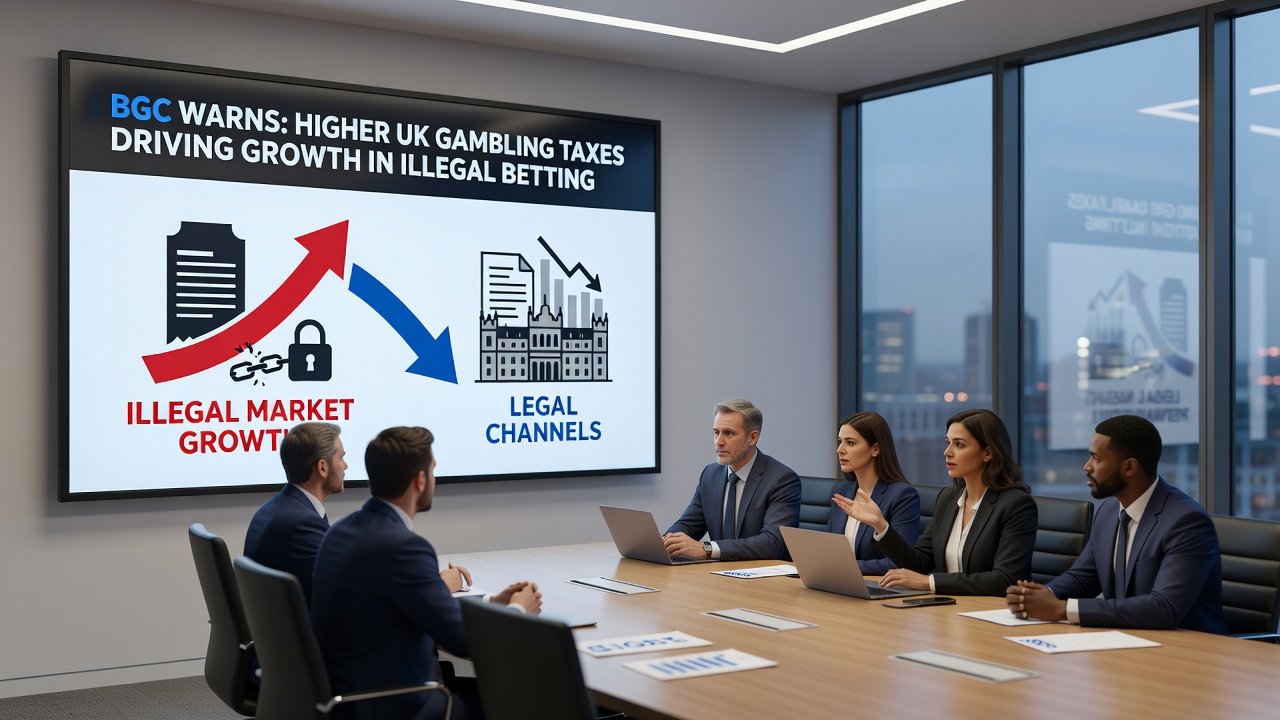
Recent independent analysis has placed the total amount staked with illegal UK gambling operators at £16.6 billion, a figure that has more than tripled since 2019 and doubled between 2023 and 2025, while the proportion of activity on regulated platforms slipped from 97 percent in 2019 down to 92 percent in 2025. Observers note that higher taxes, tighter rules, and greater visibility for offshore operators sit behind the shift, and data shows illegal sites now command nearly half of all UK gambling advertising spend. The Betting and Gaming Council has highlighted the pattern as one that could steer more customers toward black-market platforms without standard consumer protections.
Figures released this spring place the 2025 total well above earlier estimates, with growth accelerating after a series of tax and regulatory adjustments took hold. Researchers tracking payment flows and operator data found the illegal segment expanding steadily through 2023 and then surging again last year, doubling its previous level in just two years. Those tracking the numbers point to offshore operators gaining ground through social media channels and search visibility that regulated domestic sites face limits on matching.
Market Share Moves as Taxes and Rules Tighten
The drop in regulated market share from 97 percent to 92 percent reflects a measurable reallocation of stakes rather than an overall decline in gambling activity. Analysts examining transaction records and advertising placements report that illegal operators captured a larger slice by offering fewer restrictions on stakes and promotions that fall outside current UK advertising codes. Data collected across multiple payment processors indicates the change occurred alongside increases in remote gaming duty and stricter affordability checks rolled out between 2023 and 2025.
What's notable is how quickly the illegal share grew once those measures settled into place. One dataset covering the full 2019 to 2025 window shows the illegal stake total rising from roughly £5 billion to the current £16.6 billion, with the steepest acceleration appearing after 2023. Experts examining the same records observe that advertising spend by unregulated operators now approaches parity with spend from licensed groups, giving offshore sites prominent placement in search results and on social platforms where UK users spend time.
Advertising Spend Shifts Toward Unregulated Operators
Advertising data compiled for the analysis reveals that illegal operators account for nearly half of total UK gambling ad spend, a reversal from earlier years when licensed companies dominated visible placements. Researchers tracking keyword purchases and social media campaigns found offshore sites using broader creative approaches that avoid the stricter copy and targeting rules applied to UK-licensed advertisers. The result appears in higher click-through rates and greater brand recall among users searching for betting options without deposit limits or verification steps.
Payment flow studies further connect the advertising increase to the stake growth. Observers tracking bank transfers and crypto channels note that once users encounter offshore promotions, a measurable portion continue placing bets on those sites rather than returning to regulated alternatives. The pattern holds across sports betting and casino-style products, with the largest volume increases recorded in markets where stake limits or verification delays exist on licensed platforms.
Betting and Gaming Council Response to the Findings
The Betting and Gaming Council has responded to the analysis by noting that the combination of higher taxes and tighter rules creates openings that black-market operators can exploit. Council statements emphasize that sites operating outside the UK regulatory framework lack the same requirements for age verification, deposit limits, and self-exclusion tools that licensed operators must follow. Data shared in the latest review shows continued growth in black-market activity through the first months of 2026, with May figures indicating the trend has not reversed.
Council representatives point out that enforcement remains difficult when operators locate servers and payment processors outside UK jurisdiction. They cite examples where advertising campaigns for unregulated sites continue to reach UK audiences through platforms that do not apply the same advertising standards required of domestic licensees. The analysis aligns with those observations by documenting the rise in illegal stake volume alongside the increase in offshore ad visibility.
Patterns in User Movement and Platform Visibility
Tracking studies included in the independent review show users moving between regulated and unregulated sites based on ease of access and promotional offers. Researchers found that once offshore operators increase ad spend, a corresponding uptick in new accounts appears within weeks, often among users who previously stayed on licensed platforms. The data does not attribute the movement to any single cause but records the correlation across multiple operator types and product categories.
Payment processor reports add another layer, indicating that crypto and e-wallet transactions have grown faster on unregulated sites than on regulated ones during the same period. Observers examining these flows note that the absence of standard verification steps on some offshore platforms reduces friction for users who encounter delays or limits elsewhere. The overall picture presented by the analysis remains consistent: stake volume on illegal operators has risen sharply while their share of advertising spend has expanded in parallel.
Conclusion
The independent analysis presents a clear numerical record of £16.6 billion in illegal stakes for 2025, alongside the documented decline in regulated market share and the rise in offshore advertising presence. Figures covering the period from 2019 through May 2026 show the trend continuing without reversal, driven by the factors outlined in the data. The Betting and Gaming Council continues to monitor the situation and has reiterated the link between regulatory settings and the growth of activity outside consumer protection frameworks.