Pattern Matching Algorithms Bridge Historical Performance Records With Live Market Odds in Racket Sports and Equine Racing
Written by Felix Flores · Oct 9, 2026
Pattern Matching Algorithms Bridge Historical Performance Records With Live Market Odds in Racket Sports and Equine Racing
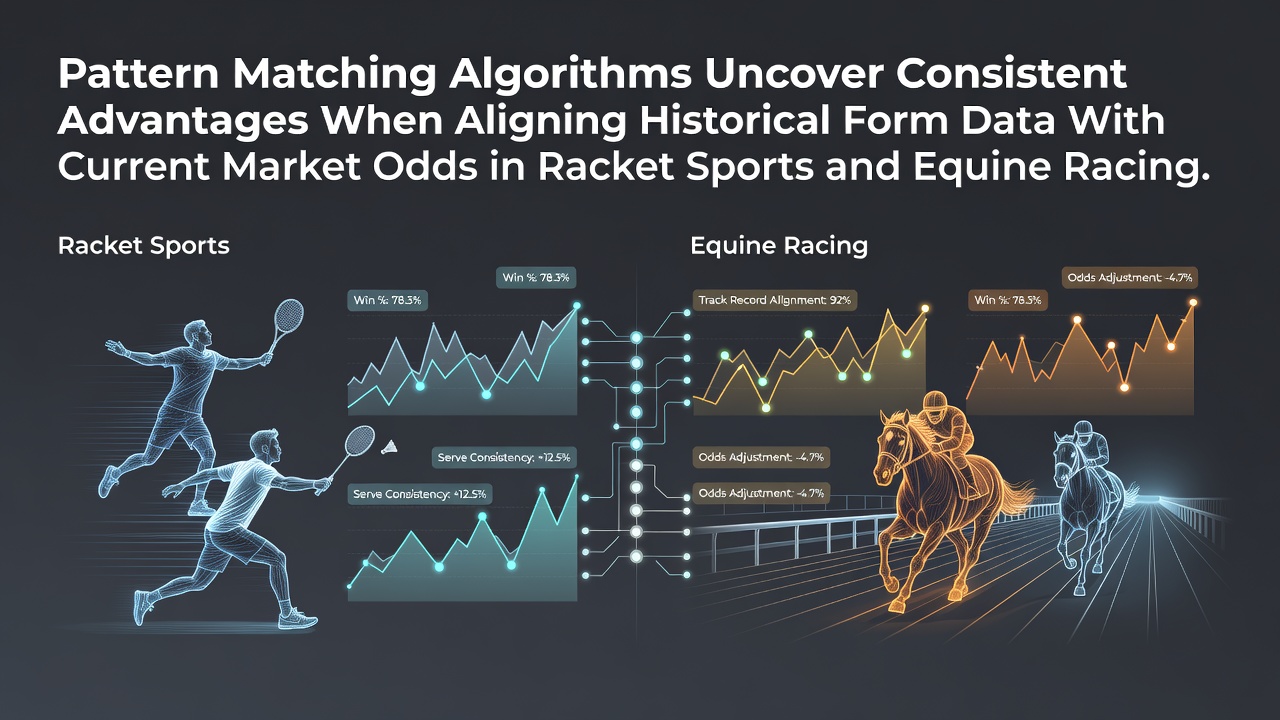
Pattern matching algorithms process large volumes of historical performance records and compare them directly against current market odds in racket sports and equine racing, and observers note that these systems identify alignments where past data patterns diverge from present pricing. Researchers developed these tools to scan datasets that include player serve percentages on specific surfaces in tennis along with horse finishing times under varying track conditions, while the algorithms apply sequence recognition techniques to flag instances where historical trends suggest odds have shifted away from established baselines.
Core Mechanisms Driving Data Alignment
These algorithms rely on sequence comparison methods that break down performance histories into measurable segments such as point-win rates during tiebreaks or sectional times in sprints, and they match those segments against real-time betting lines that reflect public money flows and bookmaker adjustments. Studies from academic institutions show the process begins with data ingestion from official competition archives, after which pattern detection layers apply similarity scoring to quantify how closely current conditions resemble past scenarios where outcomes followed predictable paths. In racket events this includes variables like fatigue indicators from previous matches played on the same day, whereas equine applications incorporate factors such as barrier draws and recent workout speeds recorded at the same venue.
Applications Across Tennis and Horse Racing Markets
One research team at a Canadian sports analytics center demonstrated how these tools process thousands of historical matches to isolate serve-hold percentages that recur under specific weather and court-speed combinations, and the resulting patterns feed into models that compare those percentages with live odds offered on individual games. In equine racing the same approach examines thousands of past races to detect recurring combinations of trainer-jockey pairings that produce above-average strike rates on particular distances, then aligns those findings with current tote or fixed-odds markets. Data from October 2026 events indicated that several platforms updated their pattern libraries mid-month to incorporate results from major autumn tournaments and year-end racing festivals, allowing the algorithms to refresh similarity thresholds on a rolling basis.
Integration With Existing Analytical Frameworks
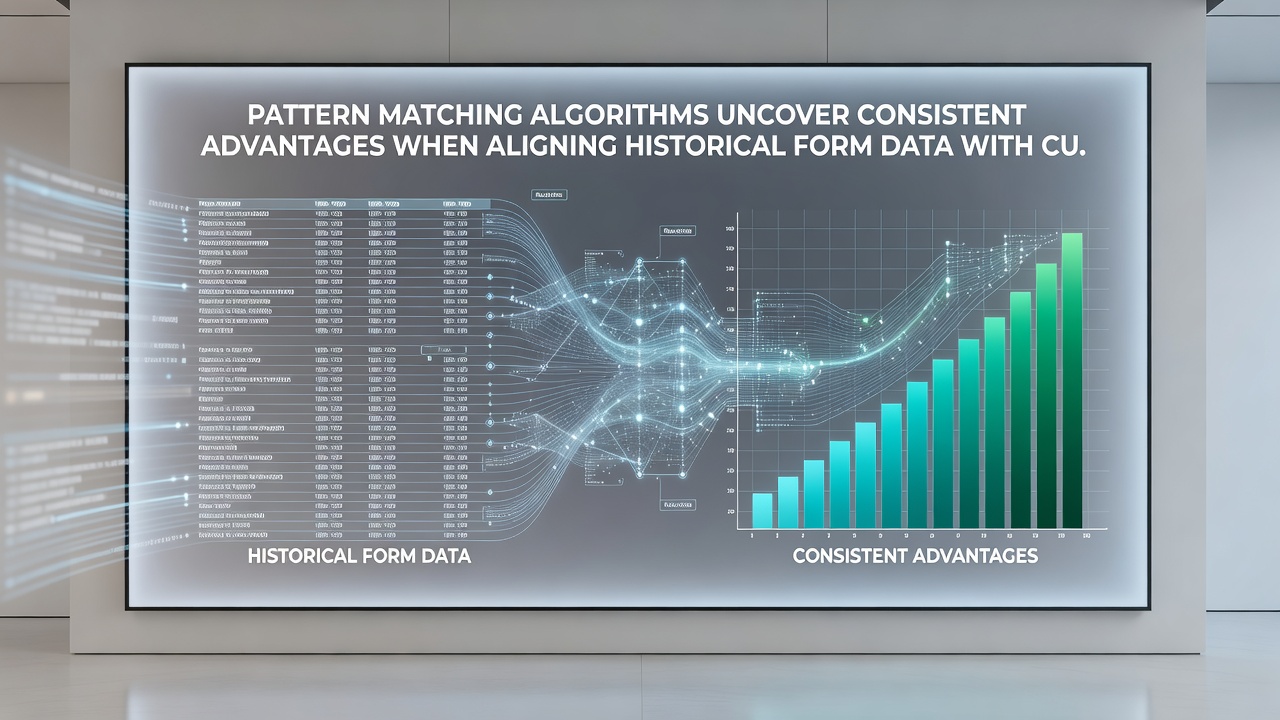
Industry reports from the Australian Sports Commission highlight that operators combine pattern matching outputs with other quantitative layers such as pace projection models and injury tracking databases, creating layered systems that cross-reference multiple data streams before generating alerts. The approach avoids isolated reliance on any single variable by requiring pattern matches to satisfy several independent criteria simultaneously, for instance requiring both historical head-to-head dominance and recent surface-specific form to align before an odds discrepancy registers as noteworthy. Observers note that this multi-factor requirement reduces false positives that arise when single metrics appear out of line but broader historical context does not support the deviation.
Technical Considerations in Implementation
Developers employ dynamic time warping and edit-distance metrics to handle variations in match lengths or race distances, allowing the algorithms to compare sequences that differ in total duration yet share structural similarities. According to findings published by the University of Melbourne's Centre for Sports Analytics, these distance measures produce similarity scores that translate into probability adjustments, which users then overlay onto market odds to identify points of divergence. Updates released in October 2026 refined the weighting assigned to recent versus older data, giving greater emphasis to performances recorded within the preceding twelve months while retaining longer-term baselines for context.
Conclusion
Pattern matching systems continue to expand their role in aligning historical form archives with live market odds across racket sports and equine racing, and the methods rely on established sequence comparison techniques that multiple research groups have validated through large-scale dataset testing. Continued refinement of similarity thresholds and integration with additional data sources maintains the framework's capacity to process evolving competition records without requiring structural redesign.