Tracing Capital Movements Between Athletic Markets to Refine Live Multi-Leg Position Timing
Written by Hugo Patterson · Aug 21, 2026

Tracing Capital Movements Between Athletic Markets to Refine Live Multi-Leg Position Timing
Market participants track liquidity patterns that move between different sports because these flows often signal opportunities for coordinated multi-leg entries executed while odds remain fluid. Data from live platforms shows that when substantial capital enters soccer markets during evening fixtures, related tennis or horse racing books experience secondary adjustments that create brief windows for combined positions.
Understanding Liquidity Pathways Across Disciplines
Observers note that liquidity rarely stays isolated within one sport because professional operators and syndicates rotate funds based on real-time volume, injury reports, and weather variables that affect multiple events simultaneously. When large bets land on a Premier League match, for example, automated systems frequently rebalance exposure by placing opposing positions in tennis or golf, which alters implied probabilities across those books within seconds. Researchers at institutions such as the Australian Gambling Research Centre have documented similar cross-market behaviors in studies covering international betting data from 2024 through mid-2026.
August 2026 saw elevated activity in these patterns during overlapping European soccer qualifiers and North American baseball seasons, where overnight liquidity surges in one region prompted measurable reactions in distant time zones. Systems designed to monitor order-book depth capture these movements by comparing bid-ask spreads and stake sizes across platforms, revealing when capital appears to migrate rather than originate independently in each sport.
Tools That Capture Cross-Sport Signals
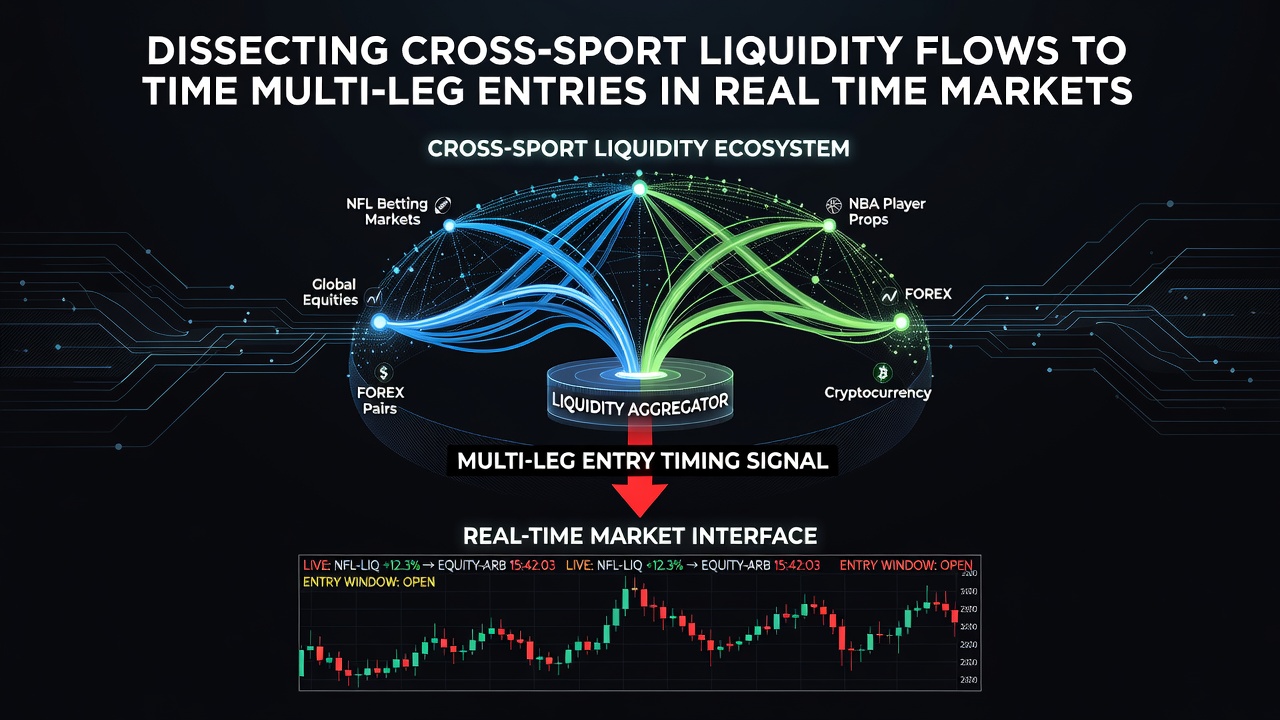
Specialized scanners aggregate live data feeds from multiple sportsbooks and flag correlations that exceed normal thresholds, such as simultaneous tightening of spreads in soccer and golf during overlapping sessions. These tools process thousands of price updates per minute, highlighting instances where a sudden increase in available liquidity on one market coincides with reduced depth elsewhere. Analysts who monitor these indicators report that the resulting alerts help identify potential entry points for multi-leg combinations before the broader market incorporates the same information.
One documented approach involves layering filters that isolate high-volume periods, then cross-referencing them with historical datasets to determine whether similar liquidity shifts preceded profitable multi-leg sequences in prior cycles. Canadian regulatory filings from the Alcohol and Gaming Commission of Ontario have included aggregate transaction data that illustrates how such patterns appear in regulated environments, providing additional reference points for market observers.
Executing Multi-Leg Entries in Response to Detected Flows
Once a liquidity signal registers across two or more sports, participants typically construct entries that combine the affected markets while spreads remain favorable. A common sequence begins with confirmation of incoming capital in a primary event, followed by immediate identification of correlated secondary markets that have not yet adjusted. The process requires rapid stake allocation across legs because delays allow subsequent price movements to reduce or eliminate the edge.
Market records from August 2026 indicate that overlapping international tennis tournaments and major horse racing meets produced several instances where liquidity indicators aligned for brief periods, enabling multi-leg positions that combined live tennis sets with ante-post racing markets. Operators who maintained pre-configured templates for these combinations executed entries within narrow timeframes, after which the same liquidity flows dissipated as broader participation increased.
Challenges in Distinguishing Organic Versus Coordinated Flows
Distinguishing deliberate capital rotation from independent market reactions remains difficult because both produce similar surface-level signals. High-frequency systems sometimes generate false positives when unrelated news events affect separate sports at the same moment, leading participants to require additional confirmation layers such as volume thresholds and time-decay filters. Those who study these patterns emphasize that no single indicator guarantees a profitable sequence, yet repeated observation of cross-sport correlations improves recognition of genuine opportunities.
Conclusion
Cross-sport liquidity analysis supplies one method for identifying timing advantages in multi-leg markets, and the approach continues to evolve alongside improvements in data aggregation and processing speed. Market participants who integrate these signals with established risk parameters maintain positions that reflect observed capital movements rather than isolated event analysis. As platforms expand coverage across additional sports and jurisdictions, the granularity of available liquidity data is expected to increase, which may further refine the precision of real-time entry decisions.