Weather Shifts Altering Odds Landscapes in Open-Air Sporting Events
Written by Felix Roth · Jul 1, 2026
Weather Shifts Altering Odds Landscapes in Open-Air Sporting Events
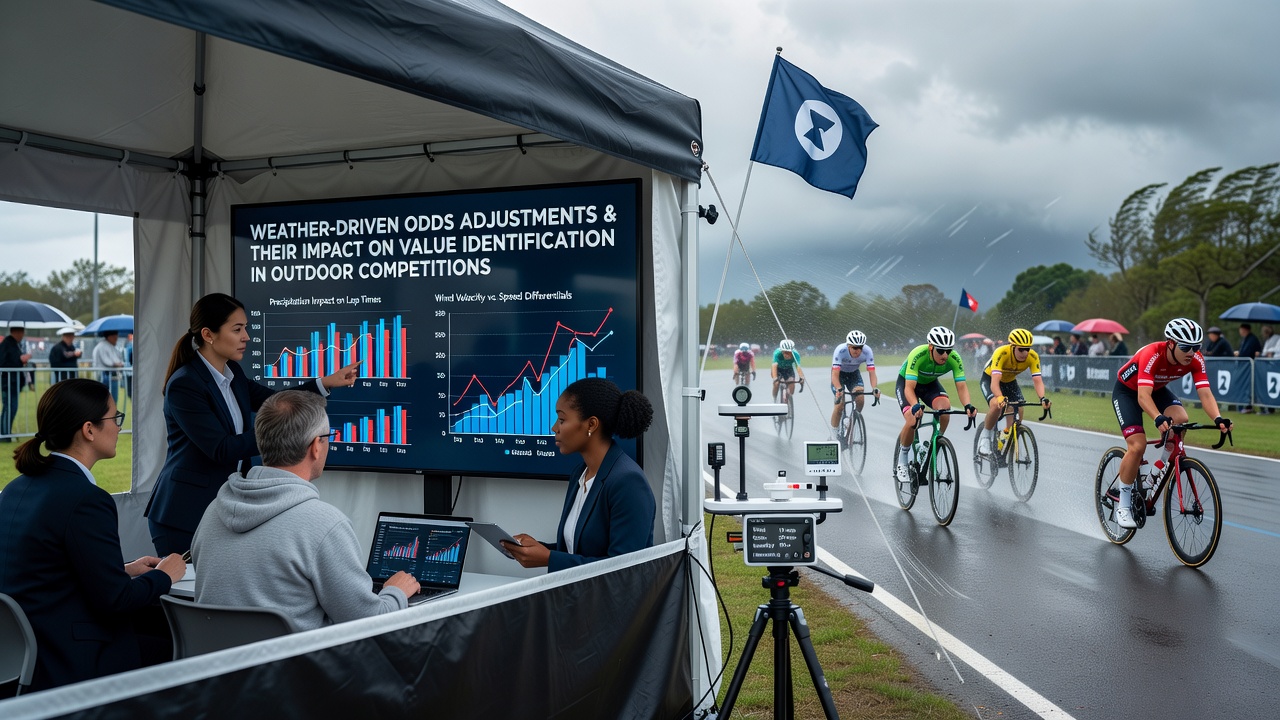
Outdoor competitions expose athletes and animals to variable conditions that directly shape performance metrics, and betting markets respond with rapid odds recalibrations when forecasts update. Data from multiple sports shows measurable shifts in scoring rates, injury risks, and finishing times once wind, temperature, precipitation, or humidity cross certain thresholds. Bookmakers integrate meteorological inputs into their models, which in turn creates windows where value emerges for those tracking both the weather data and the resulting price movements.
Performance Variables Tied to Atmospheric Conditions
Researchers have documented consistent patterns across tennis, golf, horse racing, and soccer fields. Higher temperatures above 30 degrees Celsius correlate with reduced rally lengths in tennis because ball speeds increase while player endurance declines, according to studies compiled by the Australian Bureau of Meteorology. In thoroughbred racing, track moisture levels alter times by several lengths per furlong, and wind direction at exposed courses such as those in coastal regions adds further variance to sectional data. Golf tournaments report lower scoring averages on calm days compared with windy ones, where driving distance drops and approach accuracy suffers.
These factors do not operate in isolation. Humidity combined with heat stresses cardiovascular systems during prolonged events, while sudden rain can change surface friction within minutes. Observers tracking live feeds note that such changes prompt immediate market reactions once radar or on-site sensors confirm the shift.
Bookmaker Models and Real-Time Adjustments
Operators feed weather parameters into algorithmic pricing engines alongside historical performance splits. When forecasts indicate a 70 percent chance of sustained winds exceeding 25 kilometers per hour during a golf round, fairway and green statistics adjust, pushing totals markets lower. Similar recalibrations occur in soccer when heavy rain is projected, because pass completion rates fall and set-piece goals rise. The adjustments appear across pre-match lines and continue into in-play offerings as conditions evolve.
July 2026 brought several high-profile examples during European and North American summer schedules. Multiple events featured rapid forecast revisions that moved moneyline and handicap prices by several percentage points within hours. Those monitoring both public betting percentages and updated weather models identified discrepancies before the lines stabilized.
Identifying Value Through Weather Discrepancies
Value surfaces when market prices lag behind updated environmental projections. Bettors compare implied probabilities from current odds against their own calculations that incorporate expected weather impacts. For instance, a soccer total goals line may remain elevated even after radar confirms incoming showers that historically suppress scoring. Conversely, certain horse races see underestimations of pace when cooler temperatures arrive, favoring closers over front-runners.
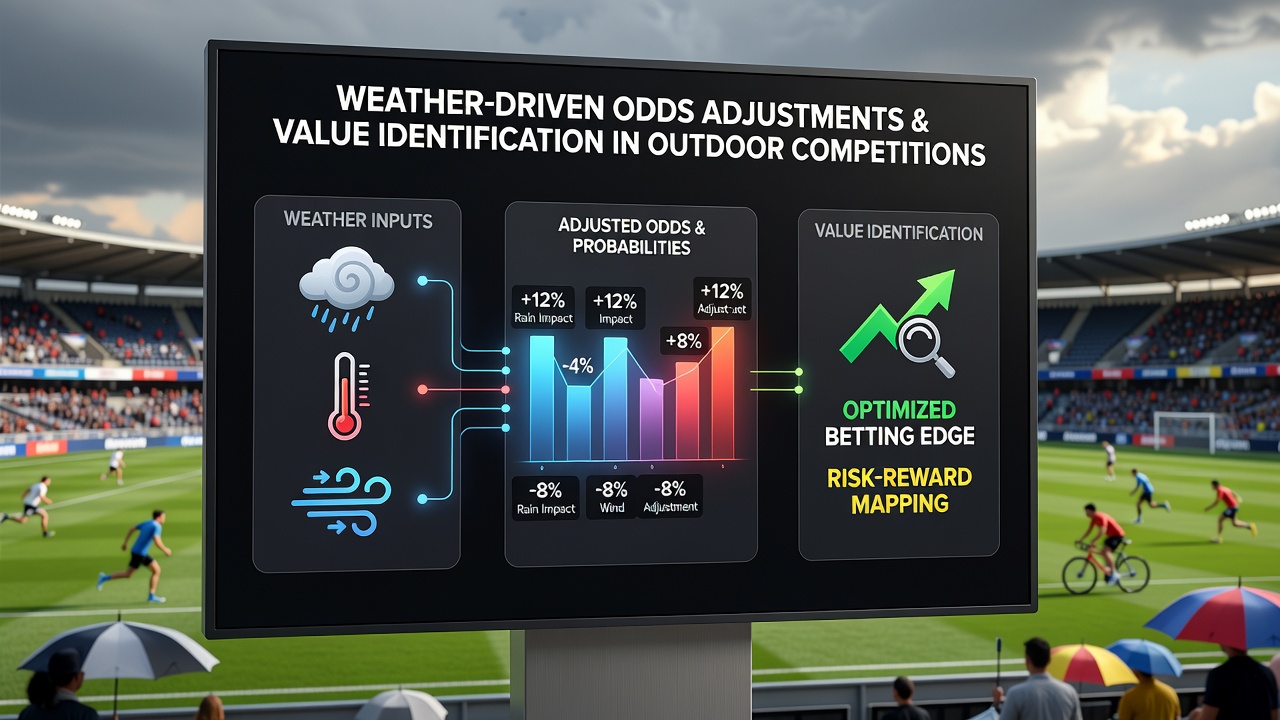
Specialized scanners pull forecast grids from national services and overlay them with sport-specific databases. One study released by researchers at the University of Reading examined three years of European football data and found statistically significant edges when precipitation forecasts updated within four hours of kickoff. The same methodology applies to tennis, where dew point readings influence serve percentages on grass surfaces. Those who cross-reference multiple forecast sources reduce noise from single-model errors.
Regional and Seasonal Patterns
Coastal venues experience more frequent wind-driven swings, while inland tracks contend with temperature extremes and humidity spikes. Summer months amplify these effects because schedules pack more outdoor fixtures into longer daylight windows. Data aggregated across 2025 and 2026 seasons shows elevated volatility in July and August compared with shoulder months. Markets for events in variable climates require tighter monitoring intervals, because forecast confidence intervals widen during transitional weather systems.
Trainers, caddies, and groundskeepers release condition updates that sometimes precede official forecast revisions. These micro-adjustments create brief asymmetries before bookmakers incorporate the new inputs. Observers who maintain logs of such announcements alongside timestamped odds movements can isolate repeatable edges tied to specific weather thresholds.
Conclusion
Weather remains a quantifiable input that continuously reshapes outdoor competition outcomes and the odds attached to them. Markets that incorporate meteorological data quickly reflect expected performance shifts, yet lags still occur when forecasts change rapidly or when models underweight certain variables. Systematic comparison of updated conditions against prevailing prices continues to surface opportunities across tennis, golf, racing, and soccer. Those maintaining disciplined tracking processes document measurable edges when environmental factors diverge from initial assumptions embedded in the lines.